Retaining Wall Repair San Diego. Emergency & Structural Repairs.
Licensed Retaining Wall Repair Contractor | Lic #778062 | Bonded & Insured | 5 STAR Google Rating
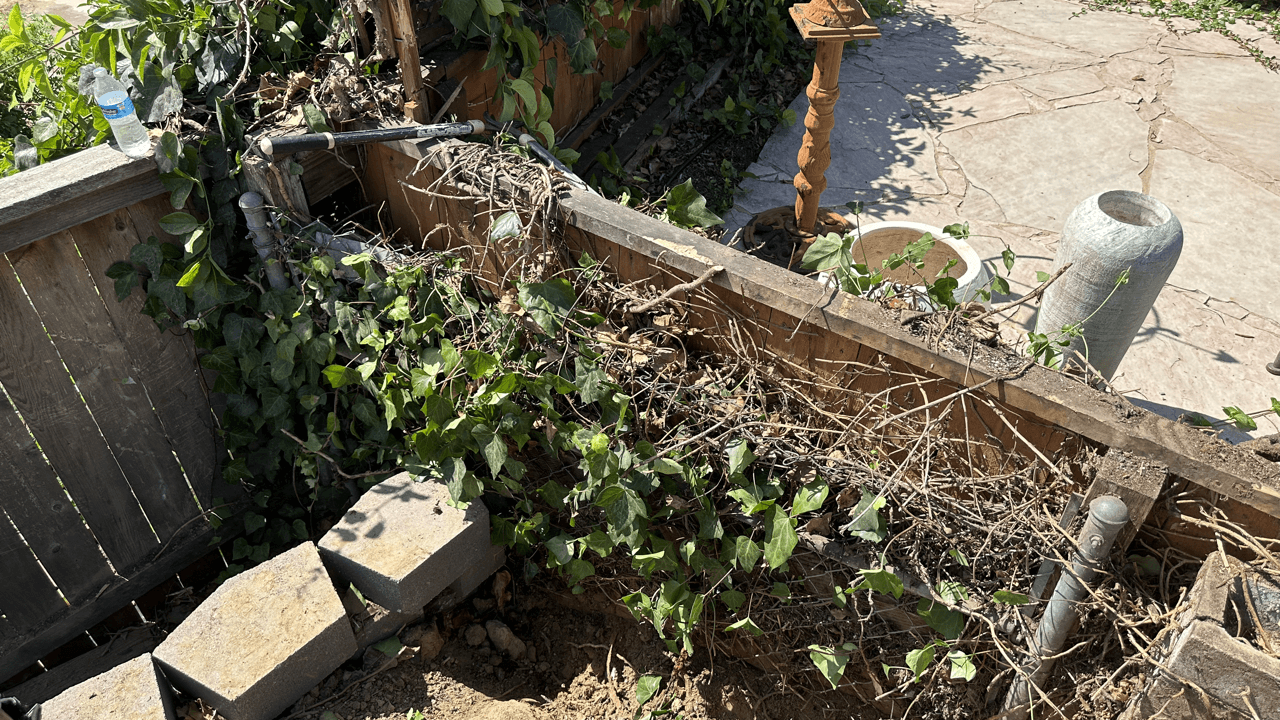
Expert retaining wall repair contractor fixing leaning, cracked, and failing walls throughout San Diego County.
Professional retaining wall repair San Diego homeowners trust for emergency stabilization and permanent solutions. Our structural engineers diagnose failure causes – hydrostatic pressure, foundation settlement, or seismic damage – providing repairs from $2,500-15,000. Licensed retaining wall repair contractors serving all San Diego neighborhoods with 24/7 emergency response.
Need a new retaining wall? What do retaining walls cost?
What causes retaining walls to fail in San Diego?
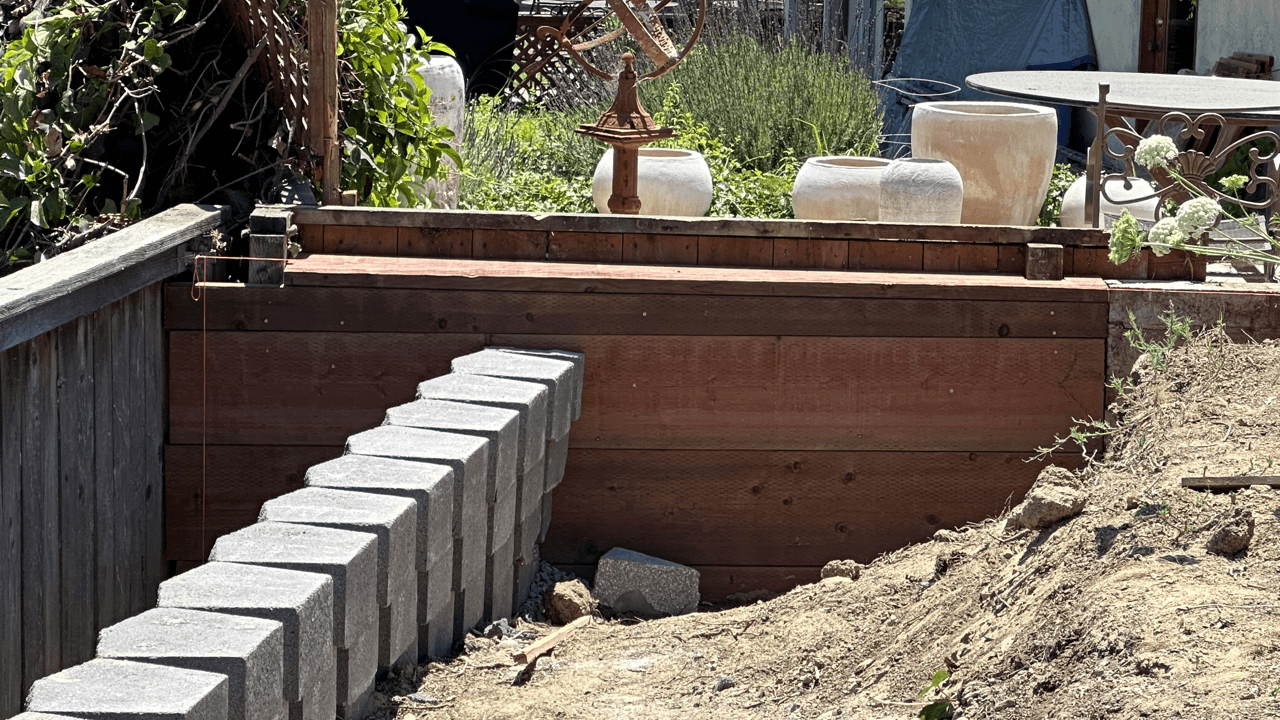
Retaining wall failure in San Diego results from hydrostatic pressure (40% of cases), poor drainage systems, expansive clay soil movement, seismic activity, inadequate reinforcement, foundation undermining, or age-related deterioration. Our analysis identifies root causes before implementing targeted repair strategies preventing recurring failures.
Understanding failure mechanisms ensures effective repairs. Hydrostatic pressure builds when drainage systems clog or weren’t installed properly, creating lateral forces exceeding design capacity. San Diego’s expansive clay expands 30% when wet, contracts when dry, causing cyclical wall movement. Seismic events create instantaneous loading beyond static design parameters. Poor construction practices–inadequate compaction, missing geogrid, improper batter angle–manifest as progressive failure over time. Identifying the specific failure mode determines whether repair or replacement provides better long-term value.
Primary Failure Indicators Requiring Immediate Repair
| Warning Sign | Severity | Typical Cause | Repair Urgency |
|---|---|---|---|
| Horizontal cracks | High | Excessive pressure | Within 7 days |
| Leaning >2 inches | Critical | Foundation failure | Immediate |
| Bulging sections | High | Hydrostatic pressure | Within 14 days |
| Stair-step cracks | Moderate | Settlement | Within 30 days |
| Water seepage | Moderate | Drainage failure | Within 30 days |
| Separation at corners | High | Structural failure | Within 7 days |
How much does retaining wall repair cost in San Diego?
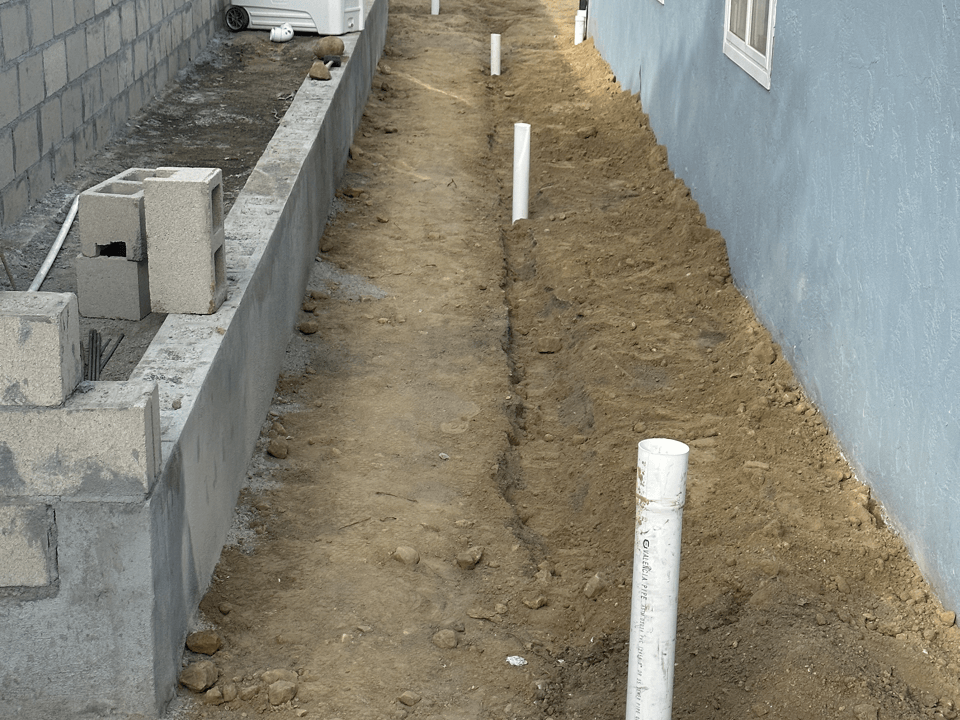
Retaining wall repair in San Diego costs $75-150 per linear foot for standard repairs, $2,500-7,500 for section replacement, and $10,000-25,000 for complete wall reconstruction. Emergency stabilization runs $1,500-3,500. Factors affecting cost include wall height, failure extent, access difficulty, and whether engineering is required.
Repair costs vary significantly based on failure type and extent. Minor repairs like repointing mortar joints or replacing individual blocks cost $500-1,500. Moderate repairs addressing drainage issues, installing tiebacks, or realigning sections range $2,500-7,500. Major structural repairs requiring excavation, new footings, or geogrid reinforcement cost $7,500-15,000. Complete reconstruction becomes necessary when repair costs exceed 60% of replacement value. Emergency shoring to prevent immediate collapse adds $1,500-3,500 to any repair project.
Detailed Repair Cost Breakdown by Service Type
Note: Pricing may vary by project. These are general estimates.
| Repair Type | Cost Range | Scope of Work | Timeline |
|---|---|---|---|
| Drainage retrofit | $1,500-3,500 | Install French drain, weep holes | 2-3 days |
| Wall realignment | $3,500-7,500 | Excavate, reset blocks, compact | 3-5 days |
| Tieback installation | $150-250/anchor | Drill, install anchors, tension | 1-2 days |
| Section replacement | $125-175/sq ft | Demo, rebuild section | 4-7 days |
| Foundation underpinning | $5,000-12,000 | Excavate, pour new footing | 5-10 days |
| Emergency shoring | $1,500-3,500 | Install temporary supports | Same day |
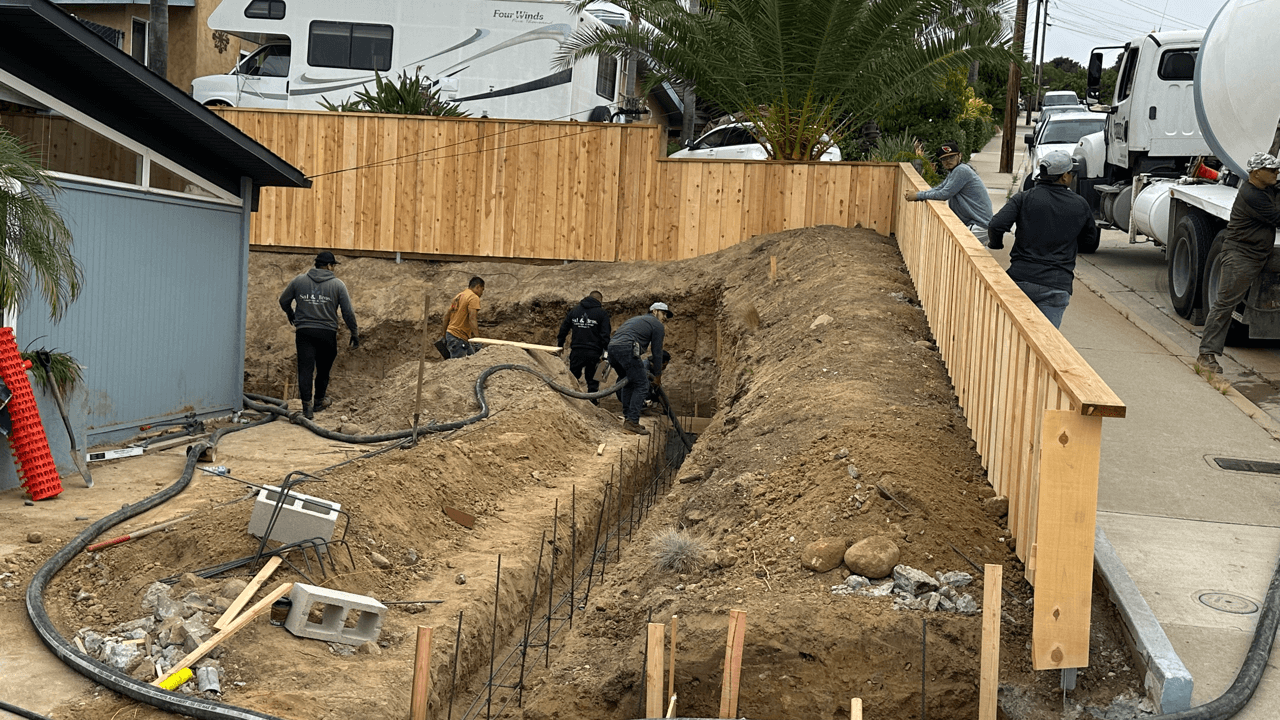
Which retaining wall repairs require permits in San Diego?
San Diego requires permits for retaining wall repairs involving structural modifications, walls exceeding 3 feet in height, or walls supporting a “surcharge” (load). Unlike some jurisdictions, San Diego does not use a dollar-value threshold to determine permit requirements; permits are based entirely on safety and structural scope.
- Emergency Repairs: Emergency stabilization can proceed without an immediate permit if a threat to life or property exists, but a permit application must be filed with the City within one business day of starting work.
- Maintenance vs. Repair: The city distinguishes between maintenance (no permit) and repairs (permit required).
- Maintenance: Includes cosmetic work like painting, sealing, replacing wall caps, or clearing drainage weep holes.
- Repairs: Involve structural elements—replacing blocks, modifying steel reinforcement (rebar), or altering the drainage system behind the wall.
Important Note: Coastal properties may require a Coastal Development Permit. Additionally, HOAs often require architectural committee approval regardless of city permit requirements. We handle all permit applications, coordinate inspections, and ensure code compliance.
Permit Requirements by Repair Type
No Permit Required (Maintenance Only)
- Sealing cracks (non-structural)
- Vegetation removal
- Cleaning existing drains/weep holes
- Replacing wall caps (if not structural)
- Walls under 3 feet with no slope or load behind them
Permit Required
- Structural Repairs: Any replacement of footing, rebar, or structural block.
- Height: Any repair to a wall over 3 feet tall (measured from the top of the footing, not the ground level).
- Surcharge/Loads: Any wall holding back a slope, driveway, fence, or structure (regardless of height).
- Drainage: Modifying the drainage system (pipe/gravel) behind the wall.
Engineering Required
- Walls over 3 feet tall (City of SD standard).
- Walls supporting a surcharge (slope/structure).
- Tiered walls (walls closely spaced together).
Special Approvals
- Coastal Overlay Zones
- Historic Districts
- Environmentally Sensitive Lands (ESL)
What’s the repair process for failing retaining walls?
Professional retaining wall repair follows systematic evaluation, engineering analysis, permit acquisition, temporary stabilization if needed, excavation to expose failure points, structural repairs, drainage improvements, backfilling with compaction, and final testing. The process typically takes 5-14 days depending on failure severity and required engineering.
Our proven repair methodology ensures lasting solutions:
Phase 1: Forensic Evaluation (Day 1)
Comprehensive site assessment documenting failure patterns, measuring deflection, testing drainage function, evaluating soil conditions, and photographing evidence. Geotechnical testing may include soil boring, compaction testing, or ground-penetrating radar to identify hidden voids.
Phase 2: Engineering Analysis (Days 2-3)
Structural engineers calculate existing loads, determine failure mechanisms, design repair solutions, and prepare stamped drawings for permits. Analysis includes global stability calculations, bearing capacity verification, and seismic resistance evaluation per current codes.
Phase 3: Stabilization & Preparation (Days 4-5)
Install temporary shoring preventing further movement during repairs. Excavate behind wall exposing drainage systems and reinforcement. Document as-built conditions comparing to original design. Remove failed components while preserving salvageable materials.
Phase 4: Structural Repairs (Days 6-10)
Implement engineered solutions – installing tiebacks, replacing failed sections, adding geogrid reinforcement, underpinning foundations, or reconstructing critical elements. Each repair phase includes quality control testing ensuring specifications are met.
Phase 5: Drainage & Backfill (Days 11-12)
Install or upgrade drainage systems including perforated pipe, gravel zones, and waterproofing. Backfill in compacted lifts achieving 95% relative compaction. Install monitoring points for post-repair observation.
Phase 6: Final Testing & Warranty (Days 13-14)
Conduct pull tests on tiebacks, verify drainage function, document final alignment, and establish baseline for monitoring. Provide comprehensive warranty covering workmanship and materials.
Can leaning retaining walls be straightened?
Leaning retaining walls can be straightened when deflection is under 10% of wall height and foundation remains intact. Repair methods include excavation and realignment ($75-125/linear foot), tieback installation ($150-250/anchor), or soil nail reinforcement ($100-175/sq ft). Walls leaning beyond 15% typically require reconstruction.
Wall straightening feasibility depends on multiple factors. The construction type determines repair options – segmental block walls offer more flexibility than poured concrete. Deflection measurement from plumb indicates severity. Movement under 2 inches often allows realignment. Movement exceeding 4 inches suggests foundation failure requiring extensive repairs. Soil conditions behind the wall affect excavation feasibility. Rocky soils permit easier excavation while saturated clays pose challenges. Existing reinforcement like geogrid or deadmen anchors may prevent straightening without complete reconstruction.
Straightening Methods by Wall Type
| Wall Type | Straightening Method | Success Rate | Cost Factor |
|---|---|---|---|
| Segmental block | Disassemble & rebuild | 95% | Moderate |
| Timber | Jack & realign | 70% | Low |
| Concrete block | Tieback anchors | 85% | High |
| Natural stone | Individual reset | 80% | High |
| Poured concrete | Limited options | 40% | Very high |
How do you repair retaining wall drainage problems?
Retaining wall drainage repair involves installing French drains at $25-40/linear foot, adding weep holes at $50-75 each, retrofitting drainage boards at $8-12/sq ft, and regrading surface drainage. Complete drainage system replacement costs $2,500-5,000 for typical residential walls. Proper drainage prevents 80% of future wall failures.
Drainage failures cause most retaining wall problems, making proper repair critical. Our systematic approach addresses both symptoms and causes:
Diagnostic Testing
Perform percolation tests identifying water accumulation zones. Use moisture meters measuring saturation levels. Inspect existing drains with cameras revealing blockages or damage. Evaluate surface water patterns contributing to subsurface accumulation.
Drainage Solutions Hierarchy
- Level 1 – Surface Management ($500-1,500)
Regrade areas directing water away from wall. Install swales or area drains intercepting surface flow. Apply waterproof sealers to wall face. Extend downspouts beyond wall influence zone. - Level 2 – Retrofit Drainage ($1,500-3,500)
Core drill weep holes relieving immediate pressure. Install chimney drains connecting to existing systems. Add drainage composite against wall face. Inject expanding foam filling voids behind wall. - Level 3 – System Replacement ($3,500-7,500)
Excavate and install new perforated pipe system. Place graded filter materials preventing clogging. Install cleanouts for maintenance access. Connect to approved discharge points. - Level 4 – Advanced Solutions ($5,000-15,000)
Install wick drains for clay soils. Add horizontal drains for slope stability. Implement pump systems for below-grade walls. Create redundant drainage pathways.
What are emergency retaining wall repairs?
Emergency retaining wall repairs address imminent collapse risks through immediate stabilization using steel shoring, concrete deadmen, or soil nailing. San Diego contractors provide 24/7 response for critical failures threatening structures, utilities, or public safety. Emergency stabilization costs $1,500-5,000, allowing time for permanent repairs.
Conditions Requiring Emergency Response
Immediate Response (Within 2-4 hours)
- Wall movement exceeding 1 inch per day
- Cracks opening rapidly (visible progression)
- Soil subsidence behind wall creating voids
- Water flowing through wall face
- Wall separation from adjoining structures
Urgent Response (Within 24 hours)
- New horizontal cracks over 1/2 inch
- Sudden bulging or bowing
- Foundation exposure or undermining
- Utility line exposure or damage
- Slope movement above wall
Emergency Stabilization Methods
| Method | Application | Installation Time | Cost | Duration |
|---|---|---|---|---|
| Steel shoring | Tall walls | 4-8 hours | $2,500-5,000 | Temporary |
| Deadman anchors | Moderate lean | 6-12 hours | $1,500-3,500 | Semi-permanent |
| Soil nailing | Slope failure | 1-2 days | $3,500-7,500 | Permanent |
| Shotcrete facing | Surface failure | 4-6 hours | $2,000-4,000 | Temporary |
| Sandbag buttress | Minor support | 2-4 hours | $500-1,500 | Very temporary |
When should you repair vs replace a retaining wall?
Repair retaining walls when damage affects less than 30% of the structure and foundations remain sound. Replace when repair costs exceed 60% of replacement value, multiple failure points exist, or walls lack proper drainage and reinforcement. Age over 30 years with extensive deterioration typically warrants replacement over repair.
Repair vs Replace Decision Matrix
Factors Favoring Repair:
- Localized damage under 20 linear feet
- Single failure mechanism identified
- Wall age under 20 years
- Good overall structural condition
- Proper drainage exists but needs maintenance
- Original construction meets current codes
- Repair cost under $5,000
Factors Favoring Replacement:
- Multiple failure points throughout wall
- Foundation problems requiring underpinning
- Inadequate original design for loads
- No drainage system present
- Repair history showing recurring issues
- Changes in site conditions (new structures, increased loads)
- Repair costs exceeding 60% of replacement
Cost-Benefit Analysis Framework
| Scenario | Repair Cost | Replace Cost | 10-Year TCO | Recommendation |
|---|---|---|---|---|
| Minor damage, good wall | $3,000 | $15,000 | $4,500 | Repair |
| Moderate damage, fair wall | $7,500 | $15,000 | $12,000 | Repair |
| Major damage, poor wall | $10,000 | $15,000 | $18,000 | Replace |
| Multiple issues, old wall | $12,000 | $15,000 | $22,000 | Replace |
TCO includes anticipated maintenance and failure risk over 10 years
How long do retaining wall repairs last?
Professional retaining wall repairs last 10-30 years depending on repair type, quality, and maintenance. Drainage improvements last 15-20 years, structural repairs 20-30 years, while temporary stabilization measures last 1-5 years. Proper repairs addressing root causes achieve 80% of new wall lifespan.
Repair longevity depends on multiple factors:
Material-Specific Repair Lifespans
Concrete/Block Repairs
- Crack injection: 5-10 years
- Section replacement: 20-30 years
- Tieback reinforcement: 25-35 years
- Drainage addition: 15-20 years
Timber Wall Repairs
- Member replacement: 10-15 years
- Deadman anchor addition: 15-20 years
- Foundation reinforcement: 20-25 years
- Preservative treatment: 5-7 years
Stone Wall Repairs
- Repointing mortar: 15-25 years
- Stone replacement: 30-50 years
- Foundation underpinning: 30-40 years
- Drainage installation: 20-25 years
Factors Affecting Repair Longevity
- Quality of Original Diagnosis – Correctly identifying failure causes ensures repairs address problems not symptoms
- Engineering Design – Properly engineered repairs consider all loads and failure modes
- Installation Quality – Following specifications precisely ensures design performance
- Material Selection – Using appropriate materials for conditions ensures durability
- Maintenance Program – Regular inspection and maintenance extends repair life 50%
- Environmental Factors – Coastal salt exposure, freeze-thaw cycles, and seismic activity affect longevity
- Load Changes – New structures or landscaping adding loads can compromise repairs
What repairs need structural engineering?
Structural engineering is required for retaining wall repairs involving walls over 4 feet tall, foundation modifications, new reinforcement systems, seismic damage, walls supporting structures, or repairs costing over $10,000. San Diego requires stamped engineering plans for permit approval. Engineering costs $1,500-3,500 but ensures code-compliant, lasting repairs.
Engineering Requirements by Repair Type
Mandatory Engineering Situations:
- Wall height exceeding 4 feet (measured from bottom of footing)
- Tieback or soil nail installation
- Foundation underpinning or modification
- Seismic retrofit or damage repair
- Walls supporting buildings, pools, or slopes
- Repairs in geologically hazardous areas
- Any repair requiring building permit
Engineering Scope Includes:
- Site reconnaissance and measurement
- Soil investigation and testing
- Structural analysis and calculations
- Repair design and specifications
- Construction drawings and details
- Permit application support
- Construction observation and testing
Engineering Cost Breakdown
| Service | Residential | Commercial | Timeline |
|---|---|---|---|
| Evaluation & Report | $500-1,000 | $1,500-2,500 | 3-5 days |
| Repair Design | $1,000-2,000 | $2,500-5,000 | 5-10 days |
| Permit Drawings | $500-1,000 | $1,500-3,000 | 3-5 days |
| Construction Support | $500-1,500 | $1,500-3,500 | As needed |
Common Retaining Wall Problems We Repair
Hydrostatic Pressure Damage
Water accumulation behind walls creates lateral pressure causing bulging, cracking, and eventual collapse. We install comprehensive drainage systems relieving pressure, preventing future accumulation. Solutions include French drains, weep holes, and drainage boards.
Repair Process:
- Evacuate accumulated water
- Install perforated drain pipe
- Add gravel drainage zone
- Waterproof wall face
- Create positive drainage away from wall
Cost: $2,500-5,000 typical
Foundation Settlement
Inadequate foundations cause walls to sink, lean, or crack. We underpin existing foundations, install helical piers, or rebuild on properly designed footings. Settlement often results from poor soil preparation or erosion.
Repair Process:
- Excavate to foundation level
- Install underpinning elements
- Compact and stabilize soil
- Pour new concrete footings
- Rebuild wall sections as needed
Cost: $5,000-15,000 typical
Seismic Damage
Earthquakes cause cracking, displacement, and structural failure. Our seismic repairs meet current building codes, incorporating flexible connections and enhanced reinforcement. We upgrade older walls to modern seismic standards.
Repair Process:
- Assess structural integrity
- Design seismic retrofit
- Install flexible joints
- Add reinforcement steel
- Strengthen connections
Cost: $3,500-12,000 typical
Erosion and Undermining
Water erosion undermines foundations causing instability. We stop erosion sources, stabilize soils, and rebuild undermined sections. Solutions include riprap, geotextiles, and engineered backfill.
Repair Process:
- Control water sources
- Stabilize eroded areas
- Install erosion barriers
- Rebuild foundations
- Implement permanent drainage
Cost: $2,500-8,000 typical
Block and Material Failure
Age, weather, and poor materials cause block deterioration. We replace failed sections, upgrade to modern materials, and protect against future deterioration. Matching existing materials maintains aesthetic continuity.
Repair Process:
- Remove damaged materials
- Assess remaining structure
- Source matching replacements
- Rebuild affected sections
- Apply protective treatments
Cost: $75-150 per linear foot
Service Area for Retaining Wall Repairs
Coastal Communities
La Jolla bluff stabilization, Del Mar erosion repairs, Solana Beach cliff retention, Carlsbad seawall repairs, Oceanside coastal walls
Hillside Neighborhoods
Mission Hills canyon walls, Point Loma slope retention, Bay Park hillside repairs, Mount Soledad view preservation
Inland Areas
Poway residential repairs, Rancho Santa Fe estate walls, Escondido agricultural retention, 4S Ranch HOA compliance
Emergency Response Coverage
24/7 emergency response throughout San Diego County. Priority response for imminent collapse risks. Same-day stabilization available.
Frequently Asked Questions
How do I know if my retaining wall needs immediate repair?
Immediate repair is needed for horizontal cracks over 1/2 inch wide, leaning exceeding 2 inches, active soil movement behind wall, water flowing through face, or daily visible progression. These indicate imminent failure requiring emergency stabilization within 24-48 hours.
Will homeowners insurance cover retaining wall repairs?
Insurance typically covers sudden failures from covered perils (storms, earthquakes) but excludes gradual deterioration, poor maintenance, or faulty construction. Document damage immediately, obtain professional assessment, and review policy language. Most repairs result from excluded wear-and-tear.
Can I repair a retaining wall myself?
DIY repairs are suitable for minor cosmetic issues under 3 feet tall. Structural repairs require professional expertise, proper equipment, and often permits. Improper repairs can worsen damage, void insurance, and create liability. Professional repairs include warranties and code compliance.
How often should retaining walls be inspected?
Annual professional inspections identify problems before becoming expensive failures. Inspect after earthquakes, heavy rains, or unusual events. Self-inspect monthly for cracks, movement, or drainage issues. Document changes with photos for comparison.
What causes retaining walls to lean?
Leaning results from hydrostatic pressure, inadequate foundations, poor drainage, expansive soils, surcharge loads, or age-related deterioration. Multiple factors often combine causing progressive lean. Early intervention when lean is under 2 inches costs 70% less than waiting.
How long does retaining wall repair take?
Minor repairs complete in 1-2 days. Moderate repairs require 3-5 days. Major structural repairs take 7-14 days. Emergency stabilization happens within hours but temporary. Weather, permits, and engineering can extend timelines.
Do retaining wall repairs require permits?
San Diego requires permits for repairs over $5,000, structural modifications, or walls over 4 feet. Cosmetic repairs and maintenance don’t need permits. We handle all permit applications ensuring code compliance.
What’s the best time of year for repairs?
San Diego’s climate allows year-round repairs, but April-October offers ideal conditions. Winter repairs face rain delays. Summer heat affects concrete curing. Emergency repairs proceed regardless of season.
Why Choose Sal & Bros for Retaining Wall Repairs?
Engineering Expertise
Our structural engineers properly diagnose failures and design lasting solutions. We don’t guess – we calculate, test, and verify. Every repair meets or exceeds building codes.
24/7 Emergency Response
Wall failures don’t wait for business hours. Our emergency crews respond immediately to prevent collapse and protect property. Temporary stabilization allows time for permanent solutions.
Comprehensive Warranties
We stand behind our repairs with industry-leading warranties. Structural repairs carry 10-year warranties. Drainage systems warranted for 5 years. Emergency stabilization guaranteed stable for permanent repair period.
Insurance Claim Assistance
We document damage, provide detailed assessments, and work with adjusters to maximize coverage. Our reports meet insurance requirements for claim approval.
Transparent Pricing
Detailed written estimates explain all costs. No hidden fees or surprise charges. Payment plans available for large repairs. We match legitimate written competitor quotes.
Get Your Retaining Wall Repair Started
Don’t wait for complete failure. Early intervention saves 50-70% over emergency repairs. Our free assessments identify problems and provide repair options fitting your budget.
Free Repair Assessment Includes:
- Comprehensive wall inspection
- Failure cause diagnosis
- Photo documentation
- Repair recommendations
- Written cost estimate
- Engineering consultation
- Permit requirement review
- Timeline projection
Emergency? Call Now: 619-636-1100
Available 24/7 for urgent stabilization needs.

“Our retaining wall was literally falling into our neighbor’s yard. Sal & Bros responded same day, installed temporary supports, and completed permanent repairs within a week. Excellent work!”
– Tim T., Pacific Beach
Our wall developed serious cracks. These guys diagnosed the problem and rebuilt the damaged sections. Very professional and knowledgeable about retaining wall issues.”
– Maria S., Point Loma
“They fixed our drainage problems that three other contractors couldn’t solve. Water was destroying our wall for years. Now it’s been two winters with zero issues. Worth every penny.”
– Robert K., Del Mar
Ready to Fix Your Retaining Wall?
Stop wall failure before it becomes catastrophic. Our proven repair methods restore structural integrity while addressing root causes. With 24/7 emergency response and comprehensive warranties, you’re protected.